• +44 (0)1908 222 211
  • info@materials-direct.com
  • My Account
  • Credit Account Application
  • Credit Account Active
materials direct logomaterials direct logomaterials direct logomaterials direct logo
  • Products
    • Thermal Interface Materials
      • Electrically Insulating TIM
      • EMI Absorbing TIM
      • Graphite Interface
      • Non-Electrically Isolating TIM
      • Non-silicon Gap Pad
      • Phase Change
      • Thermal Gap Pad
      • Thermal Grease Replacements
    • Electrical Insulators
      • Epoxy
      • High Voltage
      • Thermally Conductive
    • EMI shielding
      • Electrically Conductive Silicon Elastomer
      • Metal Foils
    • Fire / Water Protection
      • Fire Protection
      • Intumescent
      • Water Indicating
    • Foams
    • LED Optical Materials
      • Anti-Glare
      • Clear
      • Diffusing
      • Light Shaping
      • Reflective
    • Li-ion Battery Protection
      • Fire Protection
      • Vibration Damping
    • Plastics
    • Sealing Gaskets
      • Electrically Conductive
      • Electronic Gasketing
      • Environmental Sealing
      • LED Safe
      • Vibration Dampening
      • Paper Gasket
    • Silicone
    • Tapes and Adhesives
      • Electrically Isolating
      • Thermally Conductive
  • Brands
    • 3M
    • A.L.P Europe
    • Bergquist
    • Brightview
    • CHT
    • Covestro
    • DuPont
    • Formex
    • Fujipoly
    • Furukawa
    • Henkel
    • HiFi Industrial
    • Insulcon
    • Jointine
    • Jungbecker
    • Kerafol
    • Laird
    • LEE Filters
    • Lexalite
    • Limitless Shielding
    • Luminit
    • Morgan
    • Nitto
    • Panasonic
    • Parker Chomerics
    • Penchem Technologies
    • Rogers Corporation
    • Rosco
    • RS Pro
    • Sabic
    • Saint Gobain
    • Silex
    • Stephen Webster Plastics
    • T-Global Technology
    • Toray
    • Tufnol
    • Universal Science
    • Wacker
    • Zotefoam
  • Company
  • Services
    • Rotary Die Cutting
    • Punch Press Die Cutting
    • Plotter Cutting
    • Laser Cutting
    • Coating & Laminating
    • CNC Routing
  • Sectors
    • Aerospace
    • Automotive / EV
    • Industrial
    • LED Lighting
    • Military
    • Power
  • News
  • Contact
  • How To Order
    • How to Design your Pad
    • Materials Direct Order Guide
    • Still Need Help? Chat With Us
  • FAQ
0

How to order?
Chat With Us
Close Window
EV battery for MD website 2
Accelerating EV Design: How Materials Direct Streamlines Time-to-Market
07/01/2025
maxresdefault editedv3Small
Materials Direct: Your Source for Custom-Cut Materials
21/03/2025
04/02/2025
Categories
  • Company News
Tags
Graphen upscayl 2x realesrgan x4plus

Graphen upscayl 2x realesrgan x4plus

Graphene vs. Graphite: Understanding Their Unique Strengths:

James Stratford
James Stratford

Carbon is one of the most versatile elements, and two of its most fascinating forms—graphite and graphene—are shaping industries worldwide. While they share the same basic structure, their differences give them unique properties and applications. This article explores what makes each material special, their advantages, and how they are influencing modern technology.

Graphene 002

Graphite: A Trusted Performer

Graphite is a naturally occurring form of carbon, made up of layers of carbon atoms stacked on top of each other. These layers are loosely bonded, allowing them to slide past one another, which gives graphite its well-known slippery feel. This layered structure is responsible for its excellent thermal and electrical conductivity, as well as its stability under high temperatures.

Practical Uses and Advantages:

Graphite is widely used for managing heat in electronics and industrial equipment. With a thermal conductivity of up to 2000 W/m·K along its layers, it efficiently moves heat away from components in devices like heat sinks and thermal pads.

It is also a great electrical conductor, with a conductivity of around 2.5 × 10^4 S/m, making it a key material in batteries and fuel cells.

Because it can withstand temperatures up to 3,000°C in inert atmospheres, graphite is used in high-temperature applications such as industrial furnaces and heat-resistant coatings (Pierson, 1993).

Its role in energy storage is just as important. As the primary anode material in lithium-ion batteries, graphite offers a theoretical specific capacity of 372 mAh/g, making it a reliable and cost-effective choice for powering devices.

Graphene: A Material of the Future

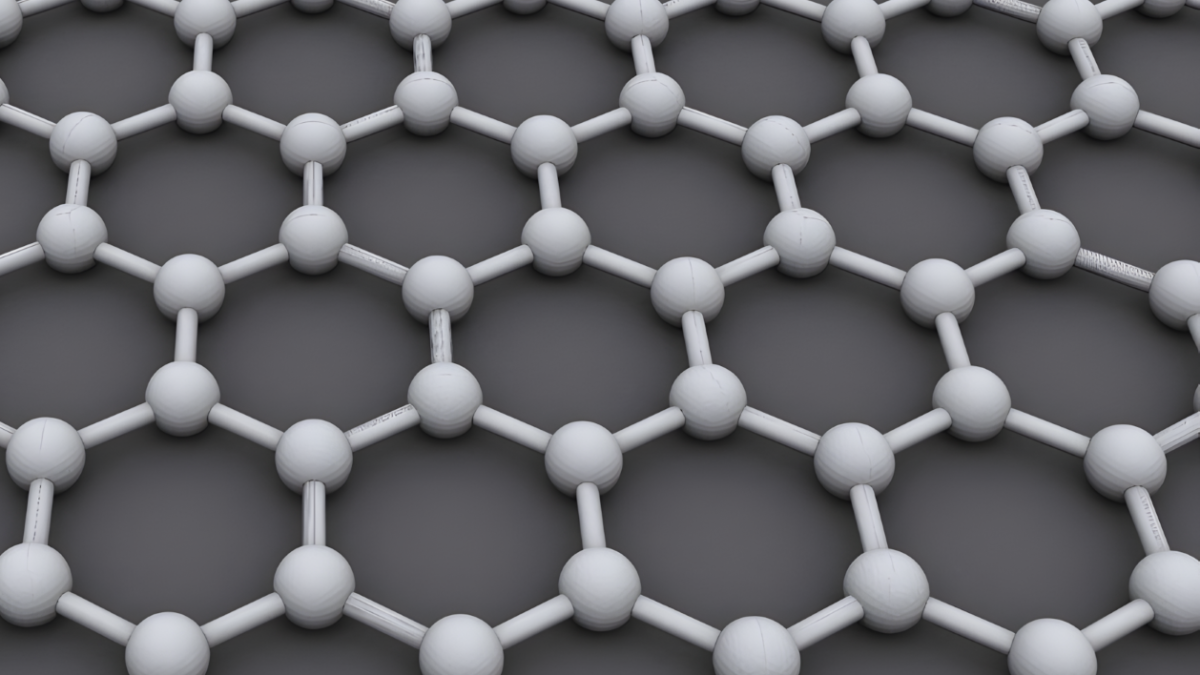
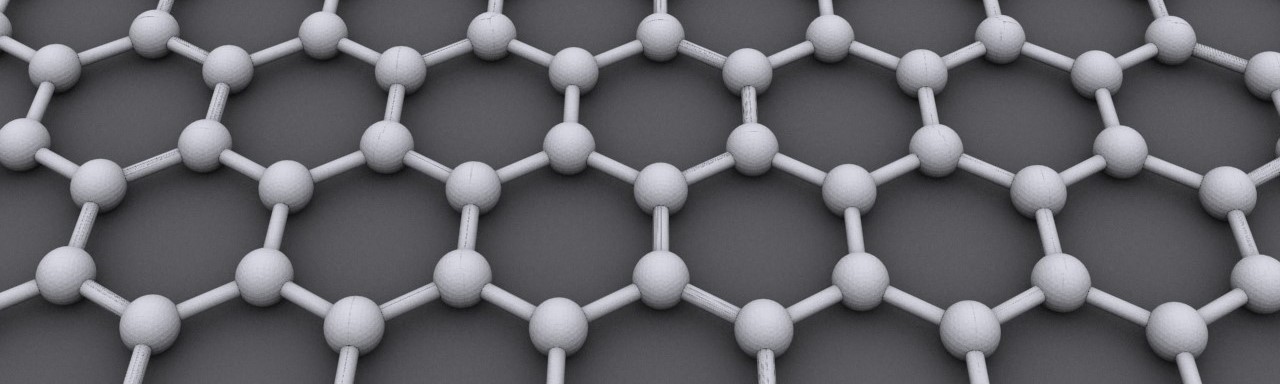
Graphene is a single layer of carbon atoms arranged in a hexagonal pattern. This ultra-thin structure gives it extraordinary properties, including incredible strength, flexibility, and conductivity. Since its discovery in 2004, graphene has been at the centre of technological breakthroughs across multiple industries.

Key Benefits and Uses:

Graphene is one of the strongest materials known, with a tensile strength of 130 GPa—about 200 times stronger than steel by weight. Despite its toughness, it remains extremely lightweight and flexible, making it ideal for a range of advanced applications.

It is also an exceptional electrical conductor, reaching up to 10^8 S/m, which makes it a perfect candidate for high-speed transistors, flexible electronics, and ultra-thin conductive coatings.

Graphene’s thermal conductivity is equally impressive at ~5,000 W/m·K, making it one of the best heat-conducting materials available. This property is particularly valuable for advanced cooling solutions in electronics.

Another standout feature is its transparency. Graphene absorbs only 2.3% of visible light, making it an excellent choice for touchscreens, flexible displays, and even solar cells.

Energy storage is another area where graphene shines. Graphene-based supercapacitors have demonstrated energy densities of 85.6 Wh/kg, offering the potential for faster-charging, longer-lasting power sources.

In medicine, graphene’s biocompatibility and electrical properties are being explored for applications like biosensors, drug delivery, and regenerative medicine.

Graphite vs. Graphene: A Side-by-Side Comparison

Although graphite and graphene share the same basic carbon structure, their properties differ significantly. Graphite is a bulk material made up of multiple layers, while graphene is just a single layer. This difference gives graphene superior strength, conductivity, and flexibility, whereas graphite remains a practical and affordable material for large-scale applications.

Property Graphite Graphene
Structure Multiple Layers of carbon atoms Single layer of carbon atoms
Thermal Conductivity Up to 2000 W/m·K (basal plane) ~5,000 W/m·K
Electrical Conductivity 2.5 × 10^4 S/m Up to 10^8 S/m
Mechanical Strength Moderate (brittle in bulk form) 130 GPa (extremely strong)
Transparency Opaque Nearly transparent (2.3% absorption)
Flexibility Rigid in bulk form Highly flexible

Why Graphite Still Matters

Despite the excitement surrounding graphene, graphite remains an essential material in many industries. It is affordable, widely available, and easy to produce, making it the go-to choice for thermal management, energy storage, and industrial applications. Its resistance to high temperatures and chemical degradation ensures that it will continue to be a key player in various fields for years to come.

The Future of Graphene

Graphene has the potential to transform technology, from ultra-efficient electronics to next-generation medical devices. However, its widespread use is still limited by the challenges of large-scale production and cost reduction. As research progresses, graphene could unlock new possibilities that redefine industries and improve everyday products.

Conclusion

Graphite and graphene may be made of the same element, but they serve very different purposes. Graphite’s dependability and affordability make it a crucial component in existing technologies, while graphene’s cutting-edge properties open the door to exciting new innovations. Together, these two materials are shaping the future of science and industry, proving that even the most common elements can have extraordinary potential.

References:

  • Zhang, X., et al. (2018). Materials Science and Engineering.
  • Geim, A. K., & Novoselov, K. S. (2007). Nature Materials.
  • Pierson, H. O. (1993). Handbook of Carbon, Graphite, Diamonds, and Fullerenes.
  • Goodenough, J. B., & Kim, Y. (2010). Chemistry of Materials.
  • Lee, C., et al. (2008). Science.
  • Novoselov, K. S., et al. (2012). Nature.
  • Balandin, A. A., et al. (2008). Nano Letters.
  • Nair, R. R., et al. (2008). Science.
  • Stoller, M. D., et al. (2008). Nano Letters.
Share
0

Related posts

Picture1

Picture1

23/04/2025

Addressing Design Challenges to Unleash the Full Potential of Drones


Read more
maxresdefault editedv3Small

maxresdefault editedv3Small

21/03/2025

Materials Direct: Your Source for Custom-Cut Materials


Read more
EV battery for MD website 2

EV battery for MD website 2

07/01/2025

Accelerating EV Design: How Materials Direct Streamlines Time-to-Market


Read more
materials direct logo white

We supply custom cut technical materials – FAST!
Let us assist you on your next project!

A division of Universal Science UK
www.universal-science.com

pay options

NQA ISO9001 BW UKAS cyber essentials logo

Manufacturing Services

  • CNC Routing
  • Coating & Laminating
  • Laser Cutting
  • Plotter Cutting
  • Punch Press Die Cutting
  • Rotary Die Cutting

Service Sectors

  • Aerospace
  • Automotive / EV
  • Industrial
  • LED Lighting
  • Military
  • Power

Useful Links

  • Cart
  • Checkout
  • My Account
  • Shop
  • Terms And Conditions
  • Support
  • Drawing Guide

Page Navigation

  • Privacy Policy
  • Home Page
  • Company
  • Shop
  • News
  • Contact Us
  • Terms And Conditions

Mailing List

Reviews

Materials Direct
4.7
Based on 16 reviews
powered by Google
review us on
Ben Horton
11:33 03 Jan 25
I have been searching for a company to help me out with a complex heat transfer material and I cannot recommend Materials Direct enough.
Greg Wiegand
18:37 04 Nov 24
Amazingly fast and accurate service
L Ly
11:04 01 Nov 24
⭐☆☆☆☆

I am beyond disappointed with the lack of transparency and poor service from Materials Direct. I placed an order in October 2024 and only received two of the smaller items. The rest were refunded, yet I was still charged more than the original delivery cost of £77.50 – even though the larger items justifying that cost were not delivered. Shockingly, the delivery charge was greater than the value of the items I actually received.

There is a complete lack of clear terms and conditions addressing delivery charges in cases of partial fulfillment, which leaves customers like me paying excessive fees with no justification. This experience was frustrating and inconvenient, and I expected far better service and transparency from a company of this scale. Materials Direct needs to review its policies and ensure customers aren’t unfairly charged in cases where orders are not fully delivered.
Martin Umney
18:26 11 Jul 24
Materials direct wwre very helpful and prompt with the deliveries.
I will be using again
Katie Harper-Penman
10:19 22 Nov 23
Quick service
James Spadavecchia
15:41 10 Aug 23
Excellent service and a great range of products
Suditu Vasile
05:17 31 Jul 23
Karen Giles
16:12 02 Jul 23
Really good quality parts, great price and arrived early, couldn't ask for more.
Ross Gentry
09:40 22 Nov 22
Great to find a fast and competitively priced UK company, who can support all scales of product development.
Lukasz L
08:58 15 Nov 22
Amazing quality products perfectly cut to size. Express delivery (a bit expensive but on time )
Andreas Hug
12:16 11 Aug 22
Perfect quality, perfect package! AAA! Many thanks!
Morten Groenberg
11:15 18 Jul 22
Good service, fast response
Ren Ma
08:02 13 Sep 21
Excellent professional service

Thank you so much!
Marien CHEVENNEMENT
15:25 05 Feb 20
very fast reply, very good order following and delvery in 24H. to recap a verry good experience with Materials Direct for a verry urgent need. I recommand a lot
Kiran Rabadiya
11:59 11 Sep 19
© Materials Direct. All Rights Reserved.
0
  • My Account
  • Credit Account Application
  • Credit Account Active